What Creator Economy Live East Confirmed for Me About Creator Strategy
My Creator Economy Live East takeaways on briefs, long-term partnerships, platform resilience, AI systems, and asking for opportunities.
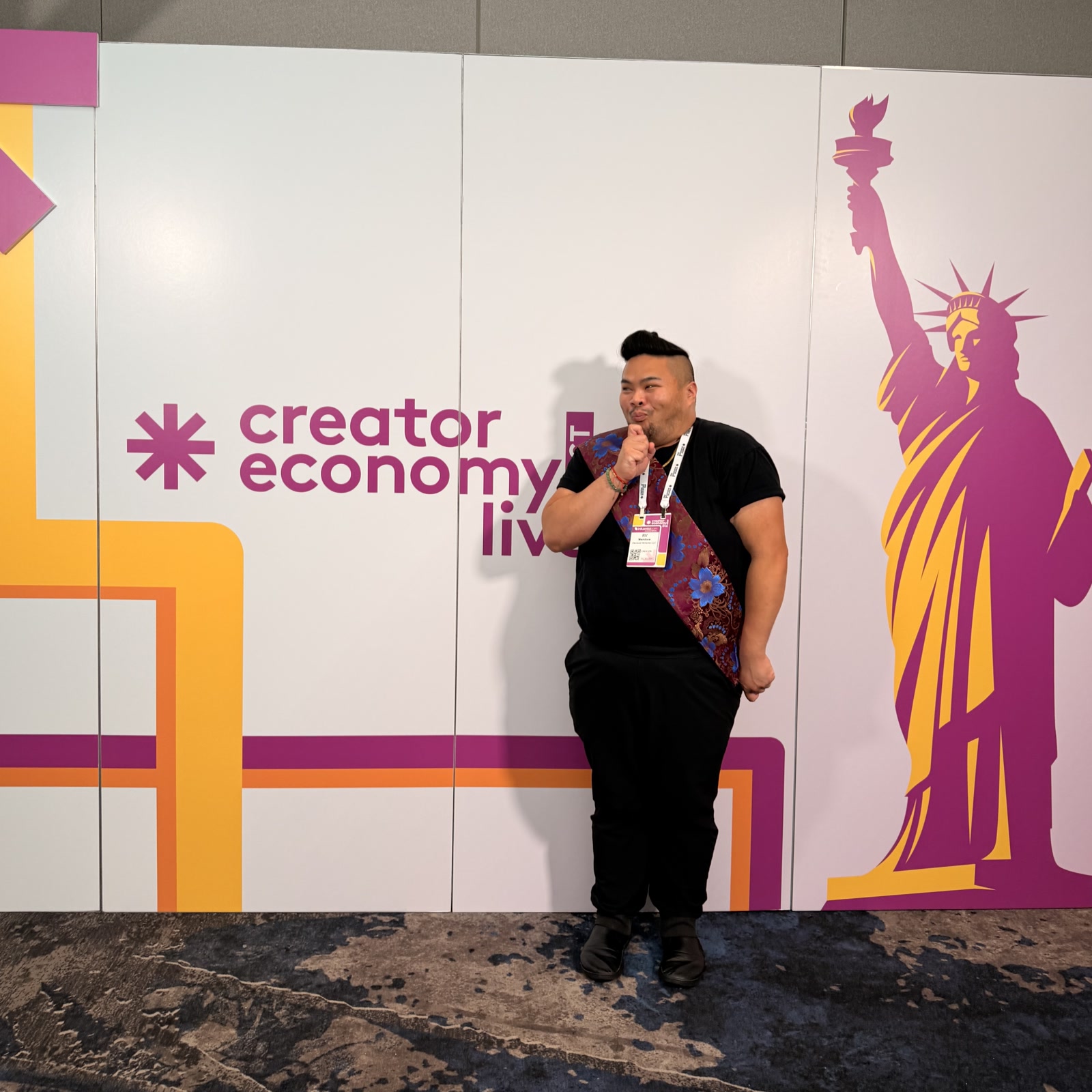
On July 29, 2026, I attended Creator Economy Live East at the New York Marriott Marquis in Times Square. The program centered on the questions brands and creators are working through now, including long-term partnerships, platform shifts, sustainable business systems, and how to make creator work more effective.
I left with a clearer way to describe what makes creator work valuable.
It is not only the content.
The content is the part everyone can see, but the strongest sessions kept pointing to what surrounds it: how a creator is chosen, what the brief makes possible, whether the relationship continues after one campaign, how the business operates, and what remains when a platform changes.
That felt important to me because creator strategy is often discussed as if it begins with a deliverable. Pick a platform. Choose a format. Write the talking points. Count the engagement.
I think the more useful starting point is the relationship between a person, an idea, and an audience. Everything else should help that relationship become clearer instead of getting in its way.
A creator should be cast for a reason
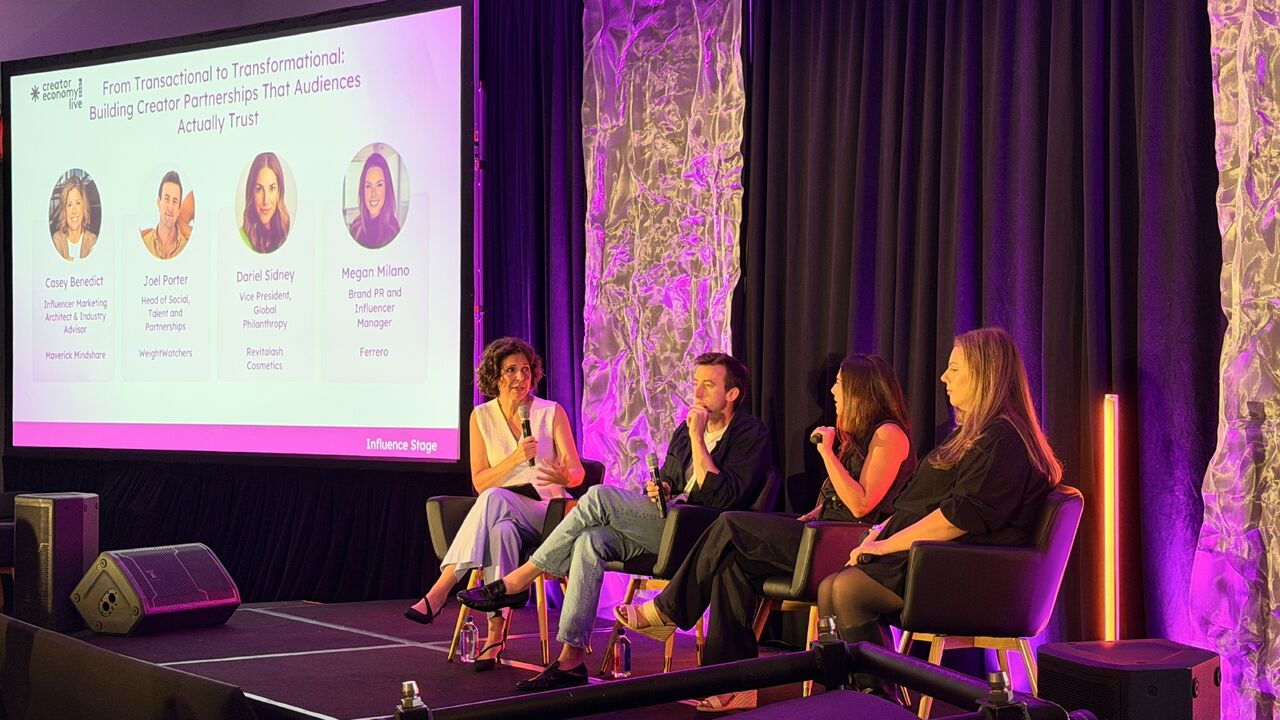
Joel Porter gave the clearest language to that idea: “Cast creators. Don’t just contract them.”
It names a difference I have felt from the creator side. A contract can define the deliverables, usage, schedule, and approvals. It cannot create the reason a particular person belongs in the story.
Casting asks what the creator already brings: a lived experience, a way of making people laugh, fluency in a community, a useful point of view, or a relationship with the product that would be difficult to reproduce through instructions.
That is why I believe creator selection is a creative decision, not only a media decision. If a brand chooses someone primarily for distribution, the brief has to manufacture a connection after the contract is signed. If the connection is already real, the brief can concentrate on making it useful.
The panel also made long-term partnership feel less abstract. RevitaLash Cosmetics connects creators to a mission and the people behind it. Ferrero brings trusted creators into a wider family of brands and experiences. WeightWatchers gives creators direct relationships with internal experts who can support the stories they are telling.
Those relationships create more than repeated posts. They create context. Context is what lets a creator notice better details, ask better questions, and make work that becomes more specific over time.
I explored that distinction further in “Why Brands Should Cast Creators, Not Just Contract Them.”
The brief should protect the idea
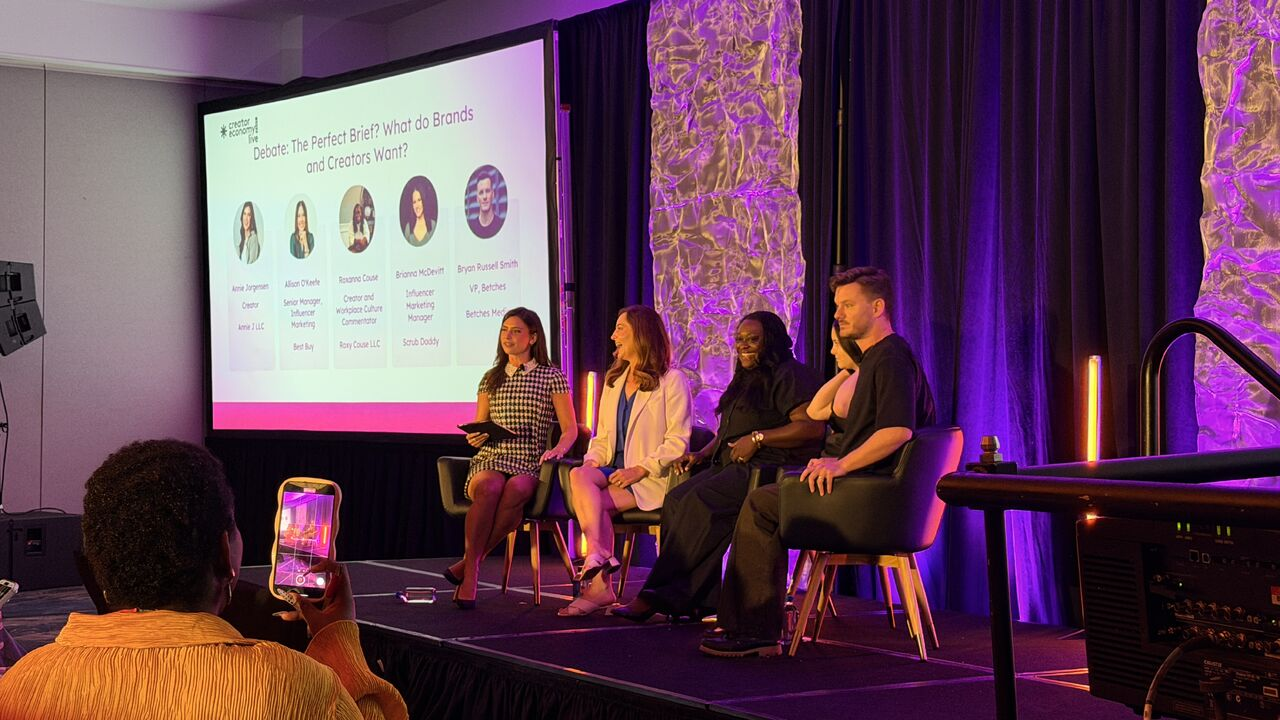
The best description of a strong creator brief was “freedom within the framework.”
That does not mean a creator gets no direction. It means the direction has hierarchy.
Tell me the one message that has to land. Identify the claims, disclosures, timing, and product requirements that are truly fixed. Explain what success needs to look like. Then let me use the voice, pacing, format, and audience understanding that made you want to hire me.
My opinion here is simple: a long list of equally important talking points is not a stronger brief. It is a transfer of prioritization work from the brand to the creator.
The creator then has to decide which message deserves emphasis, which note is legally required, and which sentence is simply someone’s preference. That ambiguity does not create freedom. It creates risk.
I also loved how practical the conversation became around briefing calls and revisions. A short conversation can reveal the reason behind a requirement before production begins. If a revision is needed later, edit first and reshoot last.
And if you hire a creator for their humor, please do not rewrite their jokes.
That line earned a laugh in the room because it is funny. It is also a real creative principle. A brand cannot ask for a recognizable voice and then smooth away everything that makes the voice recognizable.
“A Creator Brief Should Guide the Work, Not Write the Video” develops the full argument.
Platform strategy needs a reason to exist
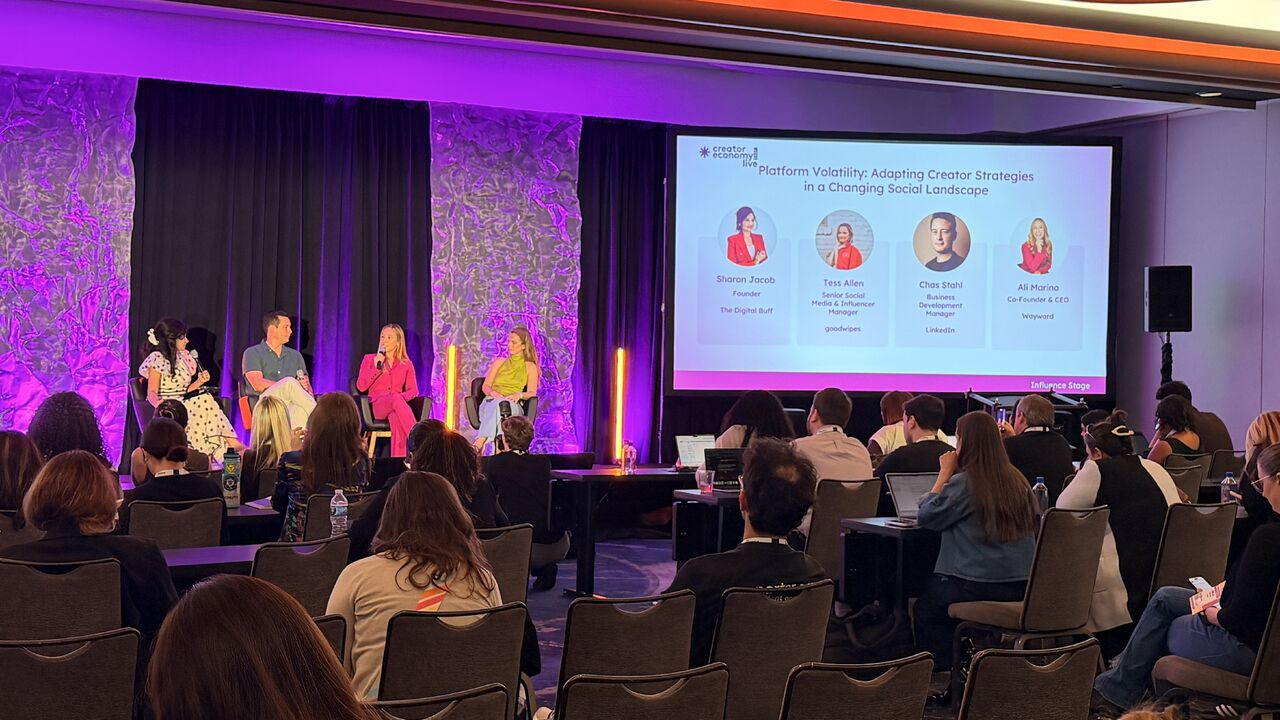
Another conversation focused on platform volatility: algorithm changes, policy decisions, shifting audience behavior, and the pressure to react to all of it.
Social teams cannot control those changes. They can decide whether the strategy underneath them is strong enough to adapt.
I do not think every brand needs to be everywhere. I do not think every trend deserves a response. I also do not think the same execution should be copied onto every platform in the name of consistency.
Each platform should have a job. Each creator should have room to make work that fits the community they have built there. The brand should remain recognizable because the idea and purpose are consistent, not because every sentence and shot are identical.
This is also why direct relationships matter. An audience built entirely inside one feed is vulnerable to decisions neither the creator nor the brand controls. Email, text, events, websites, products, and communities give the relationship more than one place to continue.
Platforms are important environments. They should not be the entire foundation.
I wrote more about building a creator strategy that can survive the next platform change.
AI is most useful when it gives judgment more room
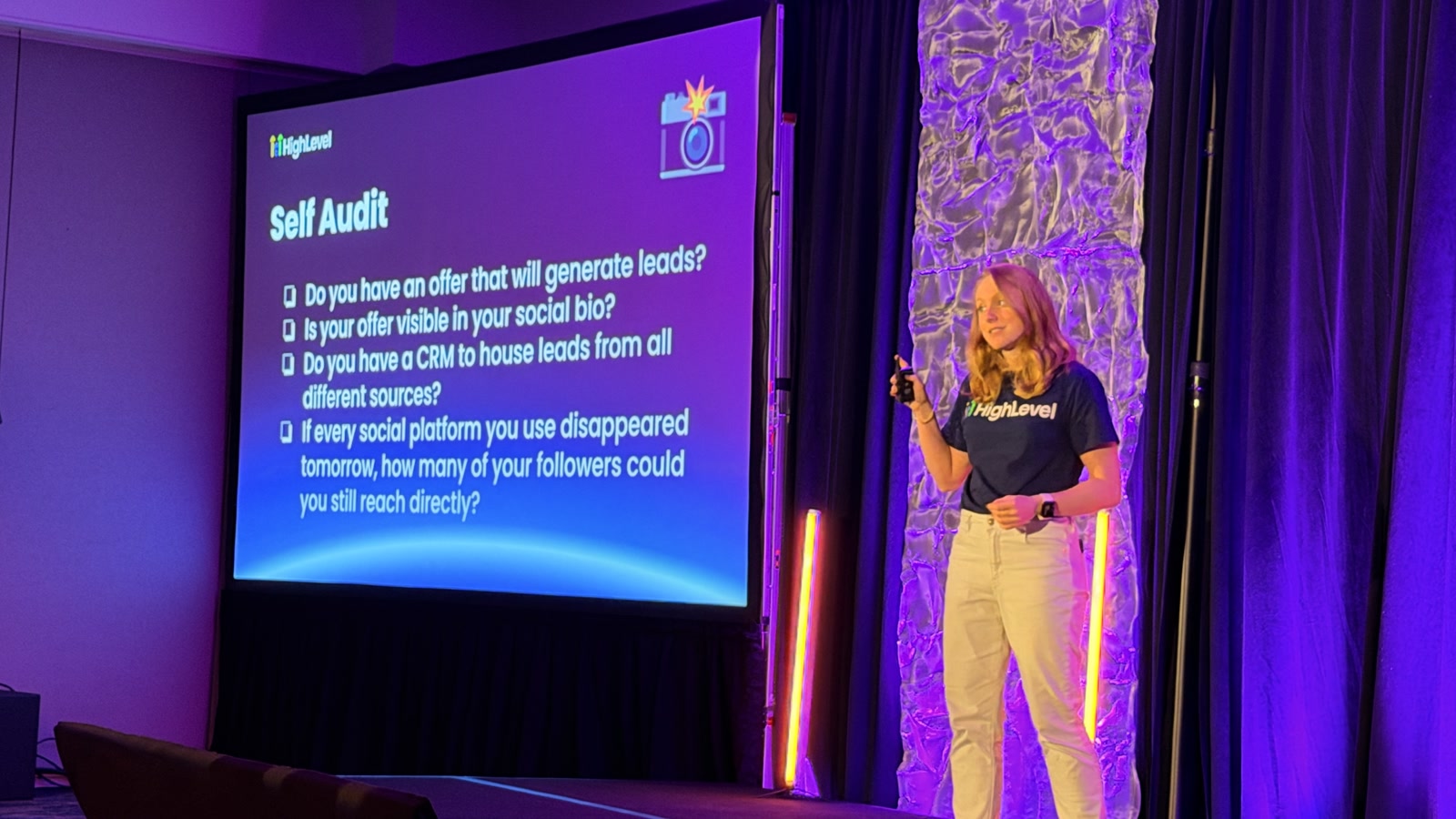
The most useful AI session focused on operating the business behind content, not generating more of it.
Creators manage inquiries across direct messages, email, forms, events, and casual conversations. We follow up with brands, answer recurring questions, send invoices, collect testimonials, and try to remember which opportunity needs attention next.
That work matters, but much of it does not require a new creative decision every time.
I am interested in AI when it organizes the routine work and brings the important decision back to a person. A system can keep an inquiry from getting lost, send a reminder, collect information, or make the next step clear. It should hand the conversation to a human when fit, price, trust, or judgment enters the picture.
That is a more sustainable promise than using AI to imitate the creator’s voice at scale.
The practical advice was to begin with one repeated workflow. I like that because it treats automation as something a creator can test and understand, not a total replacement for how the business already works.
Start with the task that keeps falling through the cracks. Decide which parts are routine and which parts should always remain personal. Build from there.
“AI’s Best Role in the Creator Economy Is Behind the Scenes” looks at those systems in detail.
Relationships still begin with someone pressing send
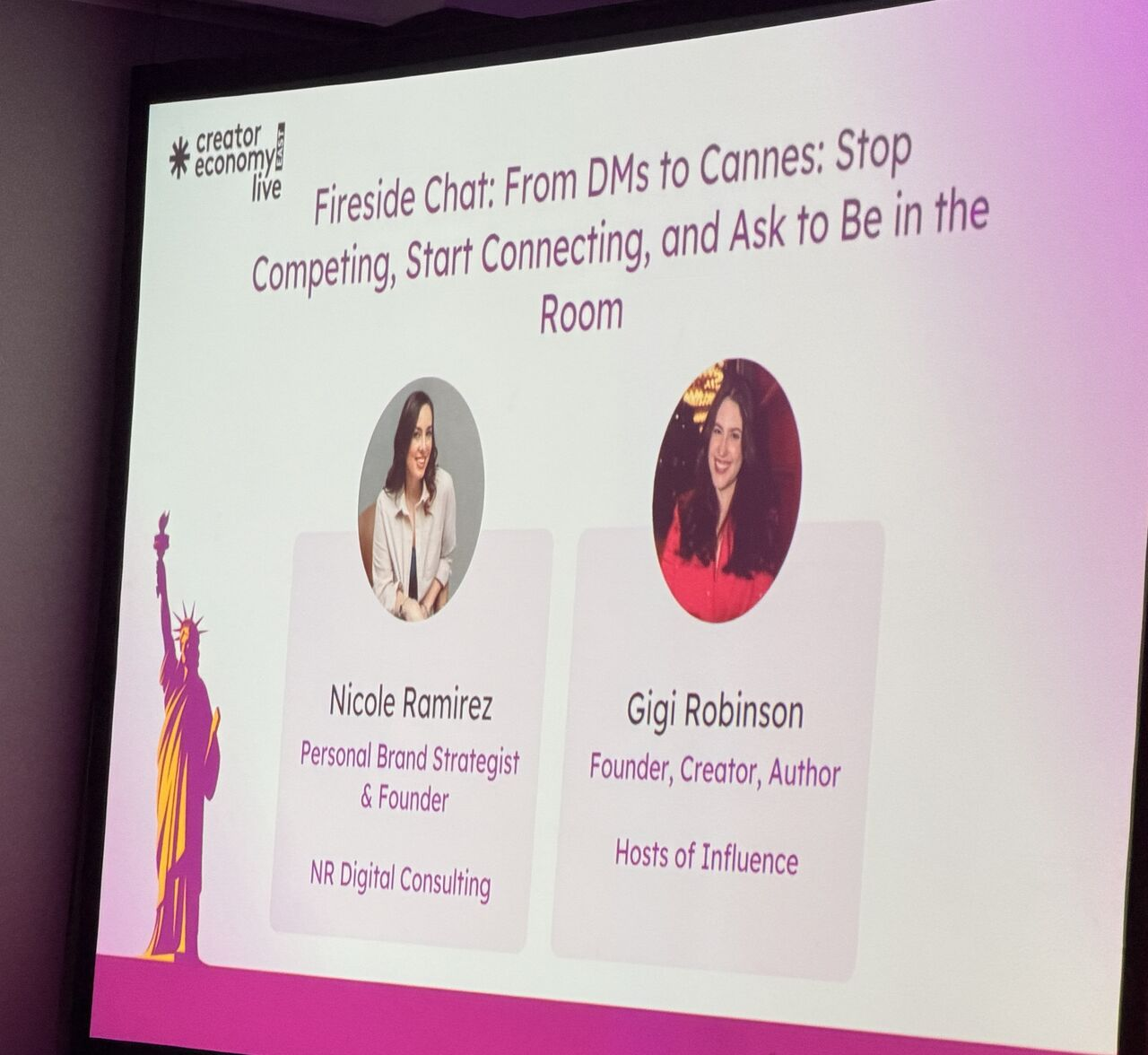
For all the discussion about systems, platforms, and strategy, one of the most human sessions began with a direct message.
Nicole Ramirez reached out to Gigi Robinson. Nicole followed up when Gigi did not respond immediately. That connection eventually grew into an interview, an Inc. article, an Adobe dinner at Cannes Lions, and their shared stage at Creator Economy Live East.
The lesson was not that every message produces a career-changing chain of events. It was that a relationship cannot develop if nobody is willing to begin it.
Good outreach is not a generic request for someone’s attention. It is specific. It shows that you understand the person’s work. It makes a clear ask. It follows up without creating pressure.
The session also challenged the instinct to treat everyone working in the same space as competition. A creator may become a collaborator. Someone with a small audience may be the person who makes an important introduction. Helping another person into a room does not make your own place in it smaller.
That is the version of networking I want to practice: make the message personal, ask for what I want, and create value for people without keeping a private scoreboard of what they owe me.
What the conference clarified for me
Across all of these sessions, I heard the same larger idea from different directions.
Creator work gets stronger when the systems around it respect what only the creator can bring.
The brief should clarify the destination without scripting the entire route. The partnership should create enough trust and context for better ideas to emerge over time. The platform plan should support the relationship without becoming the relationship. AI should handle repetition without pretending to replace judgment. Professional connections should be built through specific asks and genuine generosity.
This is also how I want prospective partners to understand my work.
I do more than place a product inside a video. I look for the consumer question, behavior, or tension that gives the product a reason to belong in the story. I think about why a format works, what an audience will recognize, and how a brand can remain visible without flattening the idea.
I want clear objectives and honest constraints. I also want enough creative room to make something that sounds like me and feels worth my audience’s attention.
That is not a request for less strategy. It is a request for strategy that understands what the creator is there to do.
Creator Economy Live East gave me new language for that belief, more examples of what it looks like in practice, and a very long list of people I am glad I pressed send to meet.
See how I work with brand partners.
Reporting note: I attended these sessions in person and developed this series from my notes and the session transcripts.