What Makes a Creator Recognizable Belongs in the Brand Brief
Before changing a creator’s visual details, brand teams should know which recurring choices make the format recognizable.
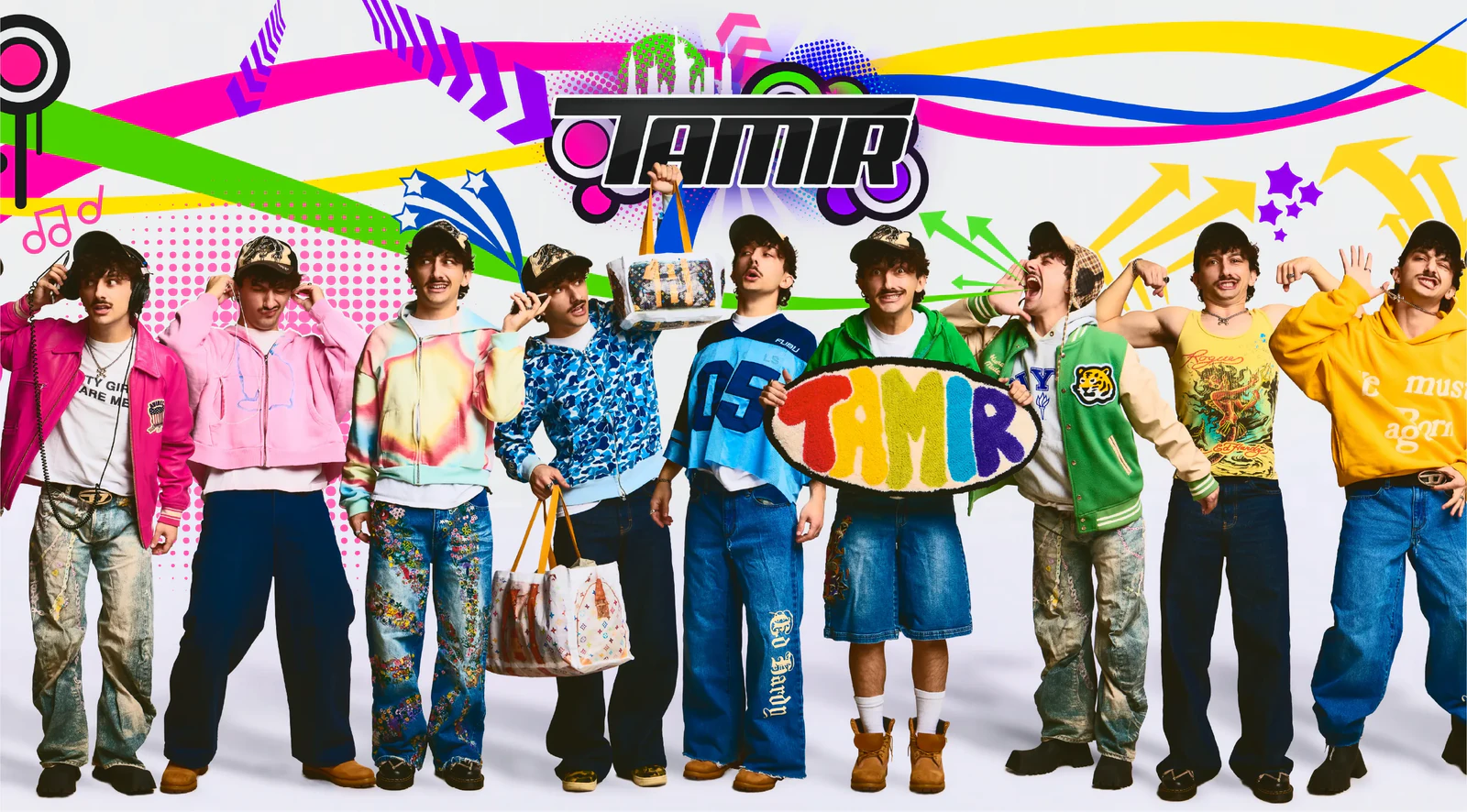
Image: Photography courtesy of Tamir Omari, via The Publish Press
The Papyrus font in Tamir Omari’s videos is probably doing more than most brand logos ever do.
Papyrus adds to the joke, and Omari has repeated it long enough to make it part of the format.
Hannah Doyle and Syd Cohen describe Omari’s visual aesthetic in The Publish Press: Papyrus typography, an early-internet look, a black text box, and familiar wardrobe choices. Omari often wears a pink hoodie, jean shorts, Timberland boots, and an Ed Hardy hat.
Omari compares short-form videos to billboards because people move past them quickly. “You drive by them faster than you remember what you saw,” he told The Publish Press.
The repeated cues give the work a chance to register before the viewer scrolls.
The detail may be part of the format
Brand feedback often sounds small. A team changes the font or framing, then asks the creator to wear something different.
Each note may solve a brand concern. It can also remove something the audience uses to place the creator. In Omari’s work, the Papyrus type, black text box, pink hoodie, and Ed Hardy hat tell viewers whose world they are in.
The Publish Press reports that Omari has more than one million followers and that some of his most-viewed videos include sponsored work with Airlearn and Uniqlo. Some of the videos carrying those familiar choices are sponsored, and they are among his most-viewed work.
If a partner removes every familiar cue, the sponsored post may stop feeling like the creator’s work. The brief should name that creative risk before production.
Put the format cues in the brief
Before feedback starts moving through the brand team, the treatment should name which recurring choices make the format recognizable. A short “format cues” section can explain what stays consistent and where the partner has room to make changes.
That boundary lets the brief guide the work without writing the video. Reviewers can see whether a note solves a brand requirement or weakens a choice that helps the audience recognize the creator.
For recurring concepts, I’m adding a short format-cues section to the treatment. It will name the choices that carry the idea before anyone starts changing them.
Thanks to Hannah Doyle and Syd Cohen at The Publish Press for the reporting.