Creative Strategy Starts Before the Camera Turns On
When creators help shape a campaign before production, that strategic work should appear in the scope, timeline, and fee.
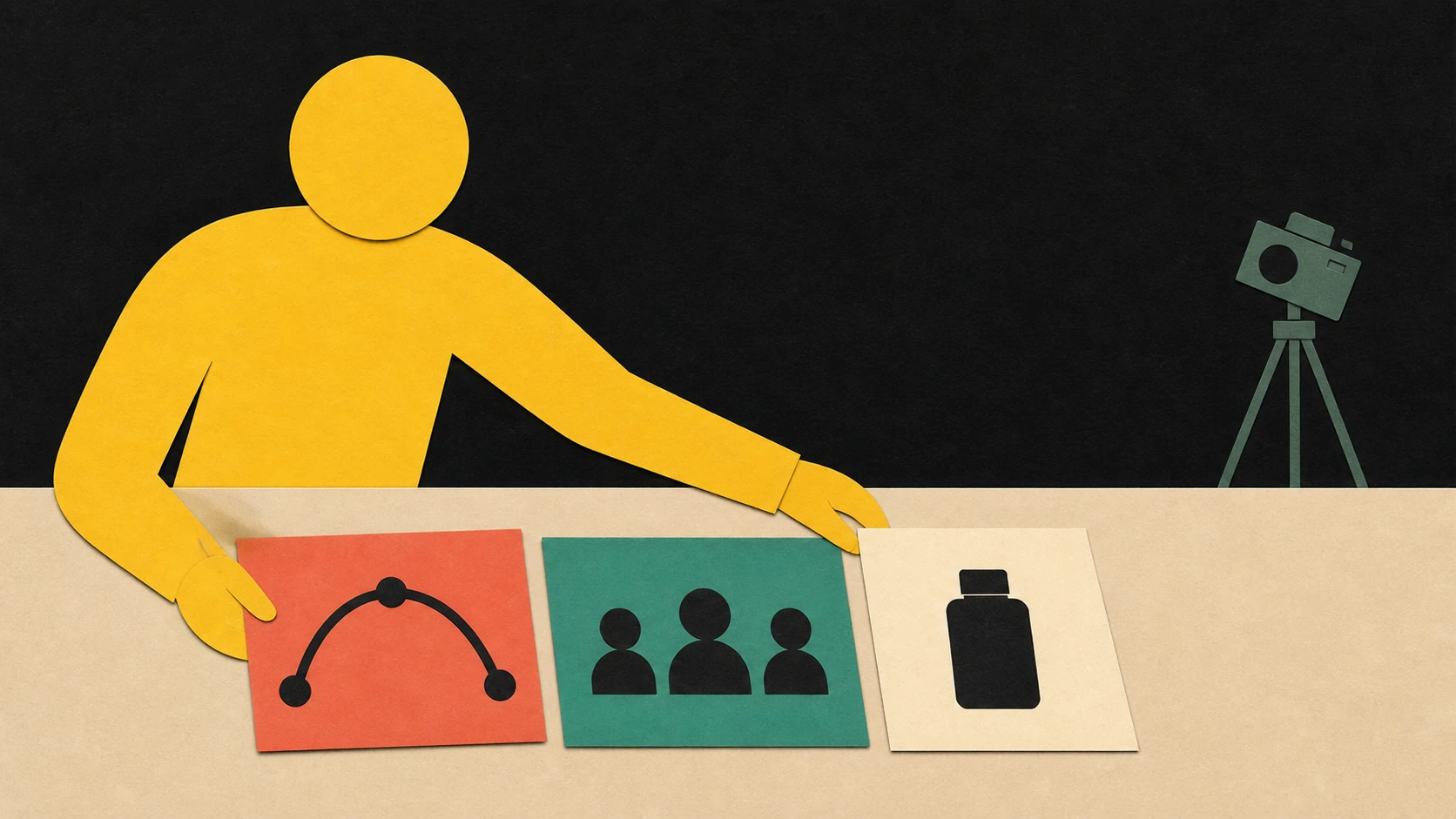
A brand campaign can start costing me time before I turn on the camera.
When a company asks me to explain why an idea will work for my audience, reshape the concept around my content, or figure out how the product can enter the story naturally, I am contributing creative strategy.
That work happens before filming, editing, posting, or licensing begins. A contract that says “one video” can leave the entire stage unnamed.
Creators are entering the campaign earlier
Digiday reports that brands are bringing creators into campaign development before the brief is finished.
Bubly began a recent campaign with a broad creative direction, then developed it with creator Erin Miller around the internet nostalgia already central to her content. Agencies are also organizing creator feedback sessions for product launches and future planning. Aéropostale worked with Déjà Clark on both a co-designed collection and a social-native series.
In each case, the creator is doing more than delivering access to an audience. The creator is helping the brand understand what the idea should become.
That shift is useful. It also creates a question that the deliverables list may not answer: Where does creative development end and production begin?
The thinking is part of the work
I see this while building pitches for my comedy and lifestyle content. I have to think through the premise, the audience reaction, and whether the finished post will still feel like something I would make.
That thinking can improve the campaign before production begins. It can reveal that the product needs a different role in the story, that a talking point will interrupt the format, or that the original concept does not fit the audience as naturally as everyone hoped.
Those decisions are valuable even before they produce a shot list or script. They can prevent a weaker idea from becoming an expensive video.
Creator strategy should not disappear inside a deliverables fee. If a creator is expected to join planning calls, evaluate product fit, reshape the premise, or work through several substantial concept revisions, the scope should say so.
Put creative development in the proposal
For a larger campaign, I can add a creative-development section to the proposal. It can identify the concept work included before production, the number of strategy calls covered, and how many substantial concept revisions the fee includes.
This does not need to make every early conversation transactional. It makes the size of the job visible before an open-ended consulting process gets folded into the price of one video.
Creators need enough room to make the idea work. The agreement also needs to account for the work that happens before filming.
This is the step before a creator brief guides the work without writing the video. If the creator is helping build the destination, that contribution belongs in the scope too.
Thanks to Kimeko McCoy at Digiday for covering this shift.